
How Contemporary Design Trends Are Changing Metal Selection Decisions
By Lou Farrell, Revolutionized Magazine
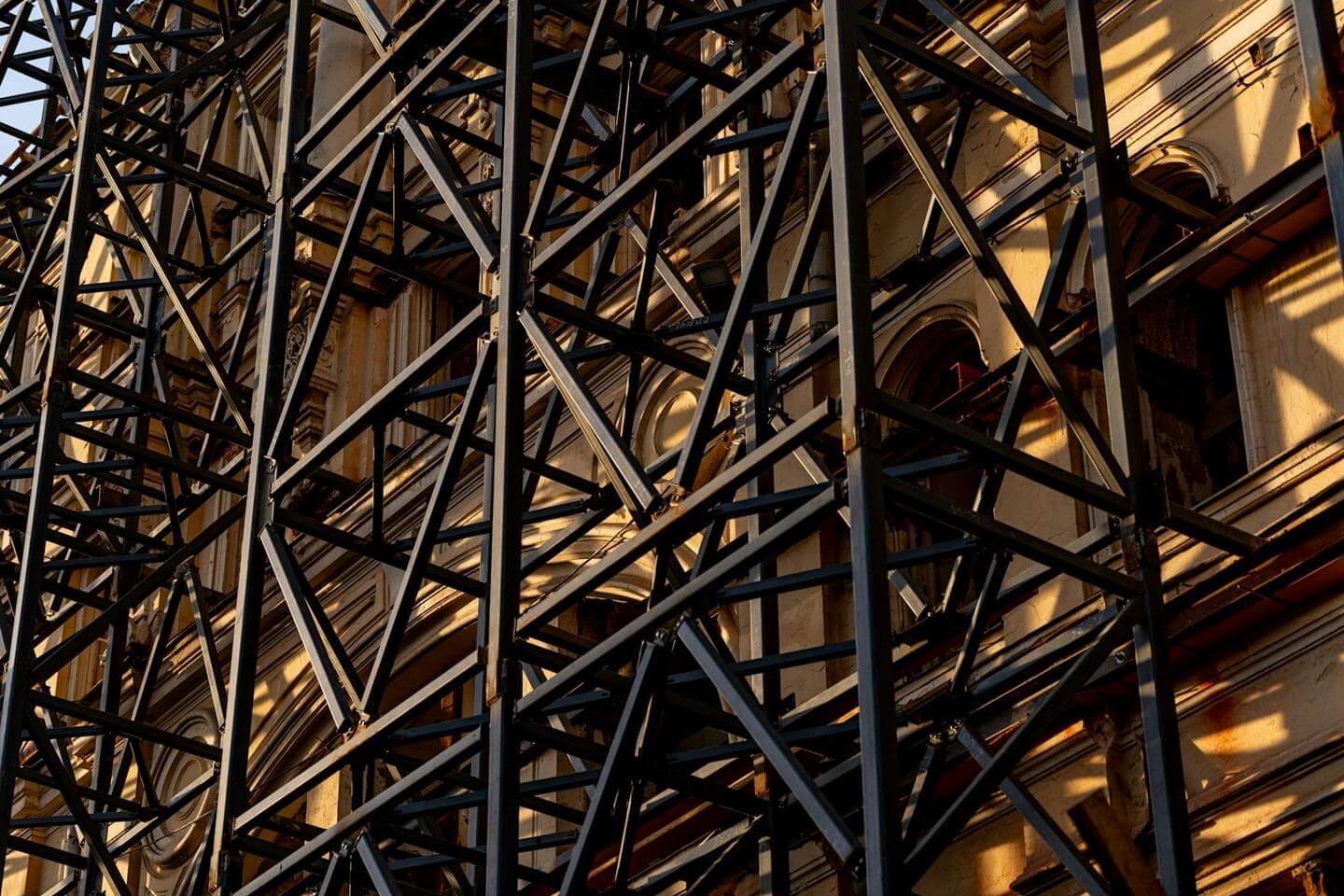
Source: Photo by Shahabudin Ibragimov on Unsplash
Architectural design is evolving rapidly, driven by priorities that extend beyond structural requirements. As trends like sustainability, minimalism and indoor-outdoor integration gain momentum, contemporary design priorities are reshaping material selection criteria.
Designers now evaluate architectural metals for aesthetic appeal, environmental impact and long-term performance, not just strength and durability.
The Evolving Relationship Between Architecture and Materials
For most of construction history, metals served primarily utilitarian roles. Steel provided structural frameworks, aluminum offered lightweight durability and copper delivered reliable roofing solutions. The selection process focused almost exclusively on meeting load-bearing requirements and fulfilling basic functional needs.
That traditional mindset has fundamentally shifted. Metals now shape a building's narrative, driving both visual identity and sustainability messaging while influencing how occupants experience space. Architects evaluate them based on how they age, interact with light and communicate values. Ecological considerations have moved from optional to essential, with life cycle assessments and carbon footprints influencing decisions as much as tensile strength.
Key Contemporary Design Trends Shaping Buildings Today
Several powerful movements are reshaping the built environment and approaches to material selection. Many architects report an increasing demand for spaces that blur the boundaries between indoor and outdoor living. Concepts such as adaptive renovations and increased housing density are gaining traction as the industry responds to evolving societal needs.
The following contemporary design trends represent interconnected values that prioritize sustainability, human experience and honest material expression.
1. A Focus on Sustainability and Circularity
Green building practices have evolved from niche concerns to industry standards. Projects emphasize recycled components, waste reduction through circular design principles and options with lower carbon footprints. Designers integrate high-performance insulation, smart window technologies and renewable energy sources. They also implement water conservation measures and indoor air quality improvements that keep building occupants healthier.
Certification programs like Leadership in Energy and Environmental Design (LEED), Building Research Establishment Environmental Assessment Method (BREEAM) and the Living Building Challenge provide frameworks for verifying these sustainable practices.
2. The Rise of Minimalist and Monolithic Forms
Minimalism in architecture champions clarity and restraint, emphasizing clean lines, uncluttered surfaces and spaces free from unnecessary ornamentation. The philosophy favors raw and authentic presentations over concealed or heavily processed finishes. This often results in monolithic structures where large expanses of a single element create visual impact through scale and simplicity.
In these designs, the substance itself becomes the primary aesthetic feature. The texture of weathered steel, the patina of aged copper or the sleek uniformity of anodized aluminum tell the building's story.
3. Integrating Indoor and Outdoor Spaces
Modern architecture increasingly dissolves the traditional separation between interior and exterior environments. Large glass walls and expansive window systems create visual continuity, allowing occupants to maintain a connection with outdoor surroundings while enjoying interior comfort.
Covered patios, loggias and outdoor rooms function as transitional zones that extend interior living areas. Continuous surfaces flowing from inside to outside reinforce the connection between these domains.
How Modern Trends Influence Architectural Metal Choices
These architectural movements directly influence how professionals evaluate and select metals for projects. The decision-making process extends well beyond assessing whether an element can support loads or withstand weather exposure.
Life cycle thinking has become essential. Specifiers now consider metal sourcing locations, recycled content percentages and potential for reclamation. They also weigh aesthetic factors like surface texture, color tone development and visual compatibility. Corrosion resistance determines whether a metal can maintain its appearance in exposed applications. Thermal properties directly influence energy efficiency.
These attributes must align with sustainability and experiential goals.
Prioritizing Performance and Longevity
Durability means more than structural integrity in sustainable projects. It means fewer replacements, less upkeep and components that last decades instead of years. When specifiers choose metals that resist corrosion naturally or develop stable protective layers, they reduce a building's ecological impact. This minimizes embodied energy consumed in manufacturing replacements.
Selecting Metals for Aesthetic and Environmental Goals
Metal selection now balances appearance, sustainability credentials and structural capabilities simultaneously. Architects often specify zinc for its sustainable qualities, including high recyclability and the ability to form a protective patina. This patina eliminates ongoing care while delivering a distinctive, evolving appearance.
The properties of architectural metals like zinc, aluminum, steel and copper each offer unique combinations that support contemporary design objectives.
Contemporary Metal Architecture in Practice
Real-world projects demonstrate how these principles translate into built form. Architects exploring innovative building materials select unconventional options for dual benefits of minimalist aesthetics and sustainability. These choices reflect the same evaluation process now applied to architectural metals.
The broader state of housing design reveals increasing adoption of adaptive reuse and prefabrication approaches. These methods rely heavily on metal components. Steel framing systems enable flexible layouts for renovations, while aluminum panels create efficient building envelopes for prefabricated modules.
Future Innovations in Metal Fabrication and Design
Emerging technologies promise to expand metal's architectural possibilities. Additive manufacturing techniques are advancing toward viable 3D printing that enables complex geometries and reduced waste. New alloy research focuses on improving recyclability and reducing ecological impact.
The development of carbon-negative materials in other sectors suggests similar innovations may reach metal fabrication. Manufacturing processes could incorporate principles that reduce emissions.
Redefining Construction With Purposeful Metal Selection
Contemporary design trends have fundamentally altered how the construction industry selects architectural metals. Professionals now conduct evaluations that weigh aesthetics, environmental impact and performance equally. Metals once selected for strength now must also tell stories, support sustainability goals and create experiences for occupants.
As architectural movements develop, this holistic approach will become more sophisticated, cementing the role of thoughtful material choices in creating meaningful built environments.
Lou Farrell
Lou is the senior editor of construction and manufacturing at Revolutionized Magazine. He has over five years of experience exploring the intersection of energy-efficient engineering, sustainable innovations, and safety principles within the construction industry.
Learn more about MBCEA membership and read additional industry insights articles.